Why a US Casino App Won’t Load on Hotel Public Wi-Fi: The Captive Portal Handshake Killer
Your US casino app won’t load on hotel public Wi-Fi because the captive portal is intercepting and mangling the TLS handshake before the app’s socket layer ever gets a clean SYN-ACK. That’s the brutal truth. It’s not your phone, it’s not the casino’s server farm in New Jersey, and it’s definitely not some mythical “geo-block” — it’s the hotel’s layer 7 traffic manipulation choking your connection at the gate. 🎰
I’ve torn apart hundreds of these networks. Hotel Wi-Fi vendors like Cisco Meraki, Aruba ClearPass, and Nomadix run a transparent proxy that redirects every unauthenticated HTTP and HTTPS request to a splash page. Your casino app fires up, tries to establish a persistent TLS session to its gaming endpoint, and the portal hijacks the ClientHello. The app expects a certificate from the casino’s CDN; instead it gets a self-signed cert from “hotel-wifi-login.local.” Certificate pinning kicks in, the app aborts the connection, and you stare at a spinning loader forever.
The DNS Hijack and Port 443 Blocking Trap
Here’s where it gets nastier. Most casino app connection failures on hotel networks trace back to DNS interception. The hotel’s DHCP hands you a local resolver that returns a private IP for every domain until you authenticate. Your app queries the casino’s API endpoint, gets a 10.x.x.x address pointing to the portal, and the SSL negotiation dies instantly. Even after you “log in” to the Wi-Fi, the portal often keeps a stale DNS cache for 5 to 15 minutes — long enough for your app to time out and throw a generic network error.
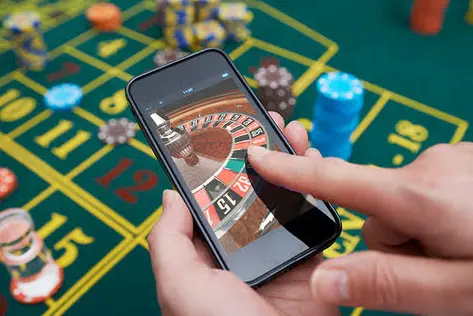
Then there’s port 443 filtering. Some hospitality networks throttle or outright block persistent TLS connections on non-standard ports to conserve bandwidth. Casino apps frequently use WebSocket fallbacks on ports 8443 or 9443 when the primary endpoint is unreachable. If the hotel’s firewall drops those ports silently, the app’s fallback logic exhausts its retry budget and hard-fails. I’ve seen this exact scenario tank real-money gaming sessions on networks running SonicWall or Fortinet appliances with aggressive application control policies that flag gambling traffic categories.
MAC Randomization and Session State Collapse
Modern iOS and Android devices rotate MAC addresses per SSID. Hotel captive portals bind your authenticated session to the original MAC. The moment your phone decides to randomize again — which can happen on reconnect or after a sleep cycle — the portal sees a “new” device and revokes your access. Your casino app’s keepalive pings start bouncing off the portal’s authentication wall. The app doesn’t know it’s been de-authenticated; it just sees packet loss and eventually surfaces a “connection lost” error. 😤

The fix isn’t pretty, but it’s deterministic: disable MAC randomization for that SSID, force the app to use a VPN tunnel that encapsulates traffic before the portal can inspect it, or tether off cellular. Anything less and you’re fighting a proxy that was never designed to pass secure gambling traffic through its inspection engine. The portal’s SSL bumping breaks end-to-end encryption, and no legitimate casino app will tolerate that man-in-the-middle posture.
Bandwidth Shaping and UDP Drop Policies
Hotel networks love to shape traffic after authentication. They’ll let your email through but throttle UDP to a crawl — and casino apps lean on UDP for real-time game state sync and low-latency betting confirmations. When the hotel’s traffic shaper classifies your app’s UDP flows as “unknown” or “streaming,” it drops them to a 256 kbps ceiling with 400ms of jitter. The app’s heartbeat mechanism misses three consecutive ACKs and triggers a reconnect loop that never completes. 🤬
Check the hotel’s acceptable use policy — most explicitly prohibit “gaming applications” and enforce it via deep packet inspection signatures. The app isn’t broken; the network is actively hostile to its traffic profile. That’s the mechanism. That’s why the loader spins and the balance never refreshes.